
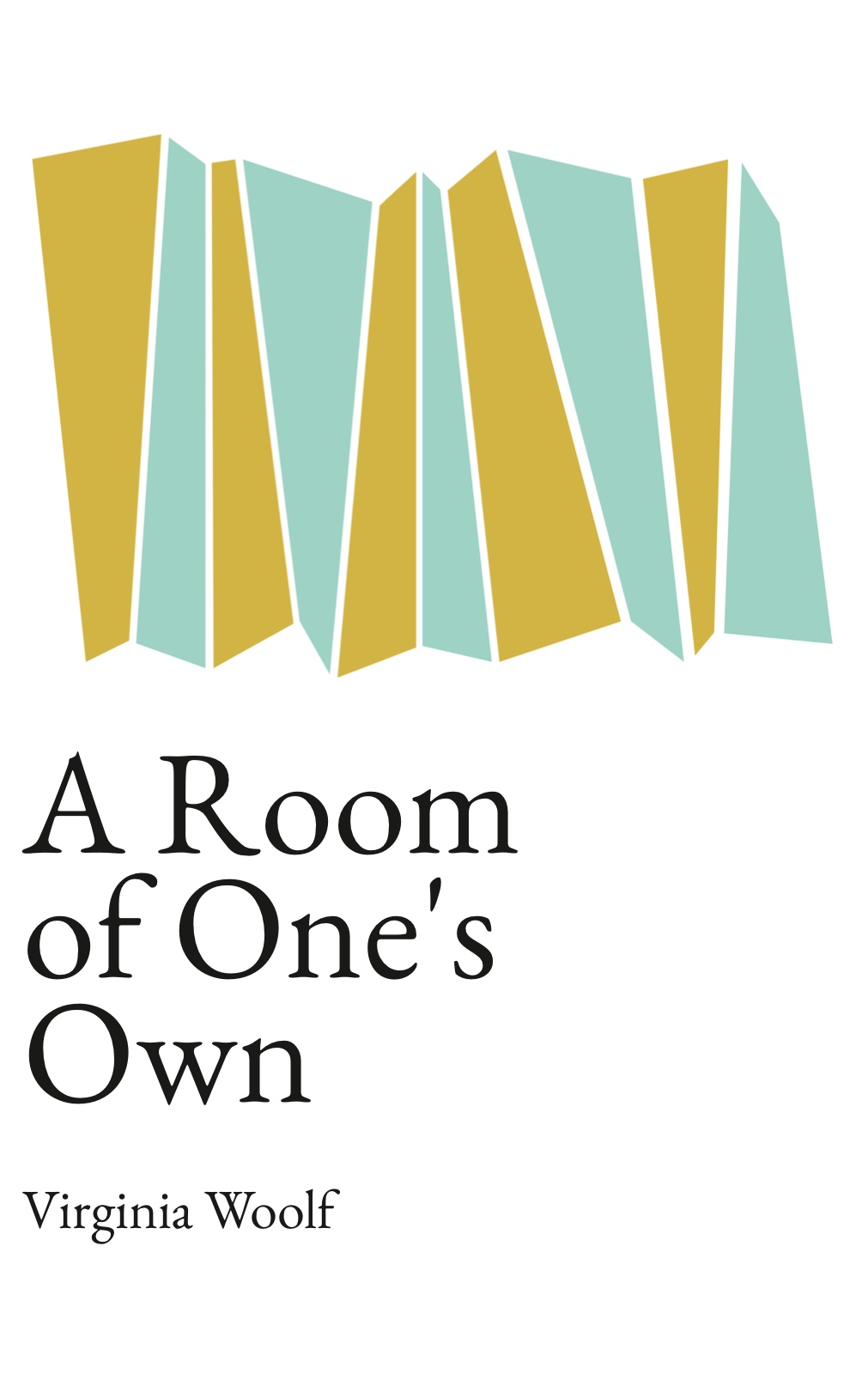
The argument for the writing life's material conditions
$25.99 $19.49 25% off direct · free shipping · ebook included
Both shipped direct from the press, with the ebook edition included free and downloadable the moment you order. Softcover releases October; pre-orders are charged now and ship as soon as it lands. Audio edition, read aloud, follows. Also on Amazon and by order through your local bookstore.
In October 1928, Virginia Woolf traveled to Cambridge to speak to the women students of Newnham and Girton on the subject of women and fiction. The answer she brought back was not about inspiration, genius, or discipline. It was about conditions: an income of five hundred pounds a year, and a room of one's own with a lock on the door.
From that blunt material claim, Woolf builds one of the great sustained arguments in the English essay. She walks the reader through the library that turns her away, the luncheon that runs long, the shelf of books written by men about women, and asks what work was lost because the conditions for it never existed. At the argument's center stands her most famous invention: Judith Shakespeare, the poet's equally gifted sister, whose story ends where her brother's begins.
A Room of One's Own was published in 1929 and has never left print. Nearly a century on, its central claim has lost none of its force: the work a person is capable of cannot be separated from the conditions they are given to do it in.
"A woman must have money and a room of her own if she is to write fiction."
Virginia Woolf, A Room of One's Own"Lock up your libraries if you like; but there is no gate, no lock, no bolt that you can set upon the freedom of my mind."
Virginia Woolf, A Room of One's Own"Intellectual freedom depends upon material things. Poetry depends upon intellectual freedom."
Virginia Woolf, A Room of One's OwnThere is a fact about this book that its own fame tends to hide: Woolf published it herself. Hogarth Press was the imprint she and Leonard Woolf founded and ran, and it gave her what she named in the lectures, the freedom to write what she meant without asking permission. The most enduring argument for the material conditions of writing was made by a writer who had built those conditions with her own hands.
That is why this book belongs in the Crossroads catalog. The Crossroads edition presents Woolf's complete text in the press's Crossings format, designed for the long-form reader, with a new foreword by Chad Prevost on what the book still asks of anyone who means to write, and of anyone who publishes them.
A Conviction-lane title in the Crossroads Crossings line.
About the lane: The Conviction book takes a position and defends it, in the tradition Woolf helped define.
Read the Conviction-lane argument →Crossroads is curating its founding catalog now. If you're working on serious nonfiction with a position to defend, in the tradition that produced A Room of One's Own, we should talk.