 Crossroads Publishing Group
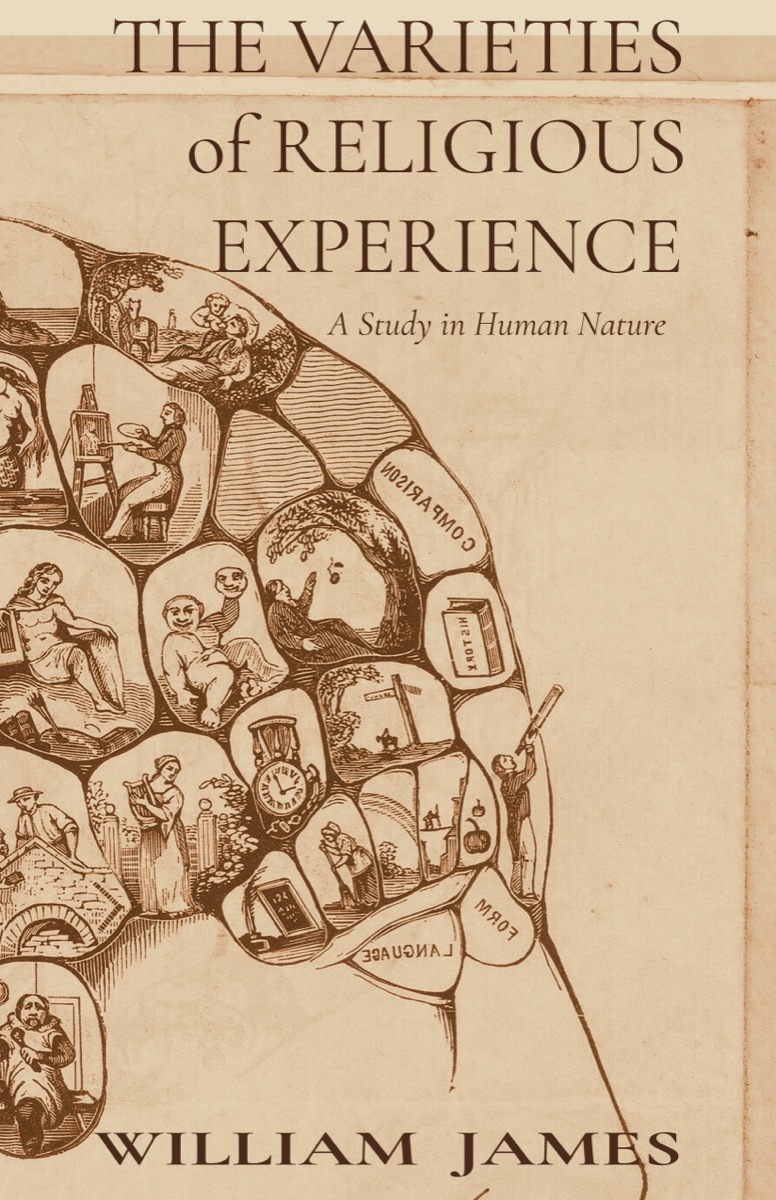
The Varieties of Religious Experience
A Study in Human Nature
Also available through Apple Books, Kobo, and Barnes & Noble (Nook).
- Paperback
- $22.95
- Ebook
- $2.99
- ISBN
- 978-1-945064-51-7
- Pages
- 350 (paperback)
- Trim
- 5.5 × 8.5 in
- Published
- 2026
What if the question isn't whether religion is true?
In 1902, the philosopher and psychologist William James delivered twenty lectures at the University of Edinburgh that have shaped how we think about religion ever since. Setting aside the question of whether religion is true, James asked something different: what is it like to have a religious experience, and what does that experience do to a human life?
The result is one of the most generous and curious books ever written about faith. Drawing from memoirs, conversion narratives, and the testimony of mystics across traditions, James assembled a record of what people actually experienced — the prayer that quieted fear, the conversion that broke an addiction, the mystical encounter that briefly dissolved the boundaries of the self. He examined sick souls and healthy minds, saintliness and skepticism, with the same patient attention.
More than a century later, The Varieties of Religious Experience remains the foundational starting point for anyone trying to think honestly about religion as a fact of human life. Bill Wilson cited it as the inspiration for Alcoholics Anonymous's "Higher Power." Carl Jung and Aldous Huxley acknowledged its influence on their own work. William James is widely considered the father of American psychology.
"That adorable genius, William James."
— Alfred North Whitehead"James describes a crucial site of modernity and articulates the decisive drama enacted there."
— Charles Taylor, Varieties of Religion Today"Tremendously impressed by the clearness of his mind and the complete absence of intellectual prejudices."
— Carl Jung, on William JamesWhat sets the Crossroads edition apart.
This Crossroads edition presents James's complete twenty lectures with his original 1902 Preface, in a typography designed for the long-form reader: text set in EB Garamond, display in Cormorant Garamond, generous margins and pacing. A new editor's foreword by Chad Prevost situates James in the contemporary moment, naming both what the book accomplished and what it could not.
The cover features a 19th-century phrenological engraving from the Library of Congress, treated in burnt umber on cream paper — period-appropriate to James's era and quietly subversive of his own argument against medical materialism.
The Postscript, in which James extends his argument into the philosophical disputes of his own moment, is preserved in the digital edition.
The first title in the Crossroads Reflective Books lane.
About the lane: Crossroads publishes the book that thinks slowly — in the tradition of Solnit, Whyte, Hollis, Klein, Tooze, and Keefe.
Read the Reflective-lane argument →Are you writing a Reflective-lane book?
Crossroads is opening founding-author applications for the 2027 publishing season. If you're working on serious nonfiction in the tradition that produced Varieties, we should talk.